How 1-to-1 Online Tutoring Helps Students Prepare for Board and Competitive Exams
Introduction
Preparing for board and competitive exams can look very different from one student to another. The syllabus may be the same, but students have different learning gaps, strengths, study habits and academic goals.
For many students, the challenge is keeping up with everything at once — school lessons, revision, practice, doubts, mock tests and the pressure of an approaching exam. This is also where the limitations of a fixed classroom pace become more noticeable.
1-to-1 online tutoring has become an increasingly practical option for students who want individual academic support while preparing for major examinations.
But what makes this approach useful for board and competitive exam preparation? And where can it make the biggest difference in a student’s preparation? This blog reveals the benefits of 1-to-1 online tutoring and how it supports students through the exam journey.
What is 1-to-1 Online Tutoring?
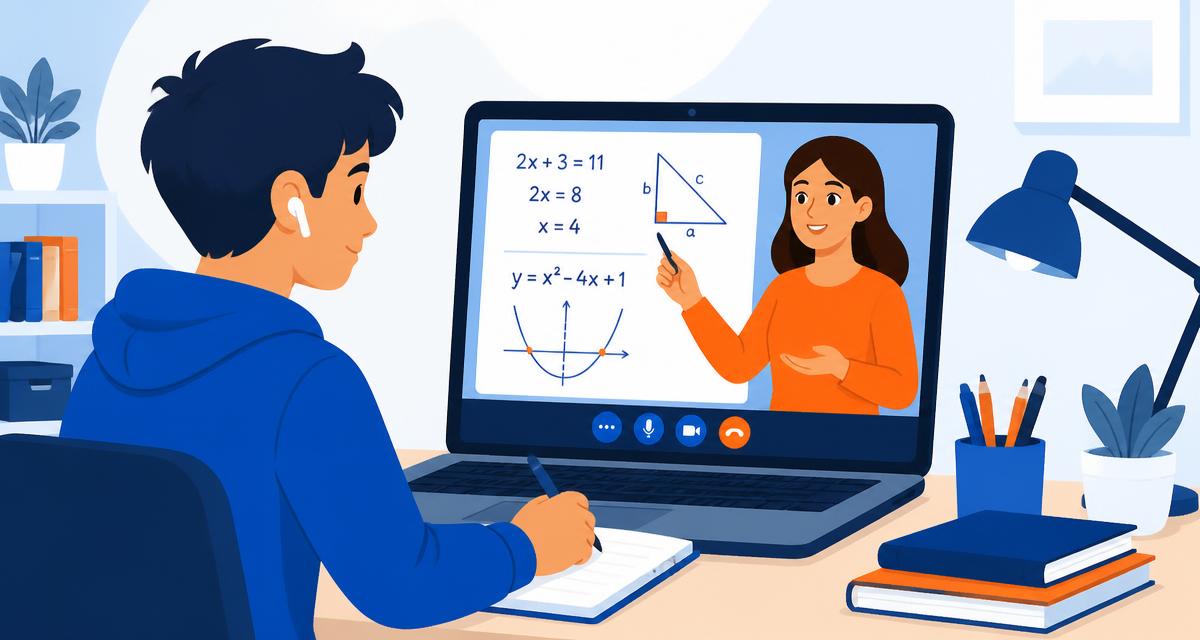
1-to-1 online tutoring is a personalised learning format where a student attends a live online class individually with a tutor. Unlike group classes, the session is dedicated entirely to one student, allowing the tutor and student to work directly on the subject, topics and academic requirements at hand.
Classes are conducted through online platforms using video, audio, screen sharing, digital whiteboards and other learning tools, making it possible for students to learn remotely from a tutor.
How 1-to-1 Online Tutoring Benefits Students
Personalised learning based on strengths and weaknesses
Every student has subjects they feel confident about and areas that take more effort. A one-to-one tutor can identify these differences and plan lessons accordingly. More class time can go towards difficult topics, while familiar areas can be covered without unnecessary repetition. The student can also move ahead when they are ready instead of following the pace of an entire class.
Stronger conceptual understanding from the fundamentals up
Difficult questions often expose gaps in basic concepts. If a student struggles with fractions, for example, advanced algebra can become much harder to understand later.
One-to-one tutoring gives the tutor enough time to go back to the fundamentals, clear the confusion and then build towards more advanced concepts. This creates a stronger base for both school-level learning and higher-level exam questions.
Focused preparation for board exam requirements
Board exams require students to understand their subjects while also presenting answers in a way that meets the expectations of the examination. Individual tutoring can be aligned with the relevant syllabus, question formats and marking requirements. Students can work on chapter-wise revision, previous-year questions, answer writing and areas where they consistently lose marks.
Strategic preparation for competitive exam patterns
Competitive exams require a different approach to the same academic concepts. Students need to apply what they know to unfamiliar questions, work within strict time limits and maintain accuracy under pressure.
A one-to-one tutor can structure practice around the specific examination, gradually introducing more challenging questions and helping the student become familiar with the way the exam tests concepts.
Faster and more effective doubt resolution
In a regular classroom, a student may have to wait for the teacher to finish the lesson or for a separate doubt-solving session. In a one-to-one class, the student can raise a doubt as soon as it comes up.
The tutor can also ask follow-up questions to understand exactly where the confusion began, rather than simply giving the final answer. This helps prevent one unresolved concept from creating problems in later chapters.
Better time management and exam strategy
Knowing the syllabus is only part of exam preparation. Students also need to know how to divide their time between questions, when to move on from a difficult problem and how much time to reserve for revision.
A tutor can introduce these skills during regular practice and help students develop an approach that suits their particular examination. This becomes especially useful when students start taking timed tests.

Targeted practice that improves speed and accuracy
More questions do not always mean better preparation. Students can spend hours practising questions they have already mastered while continuing to avoid the areas where they make mistakes.
One-to-one tutoring allows practice to be selected around those weaker areas. As students become more comfortable with a topic, they can move towards more difficult questions and timed practice, gradually improving both speed and accuracy.
Continuous assessment to measure academic progress
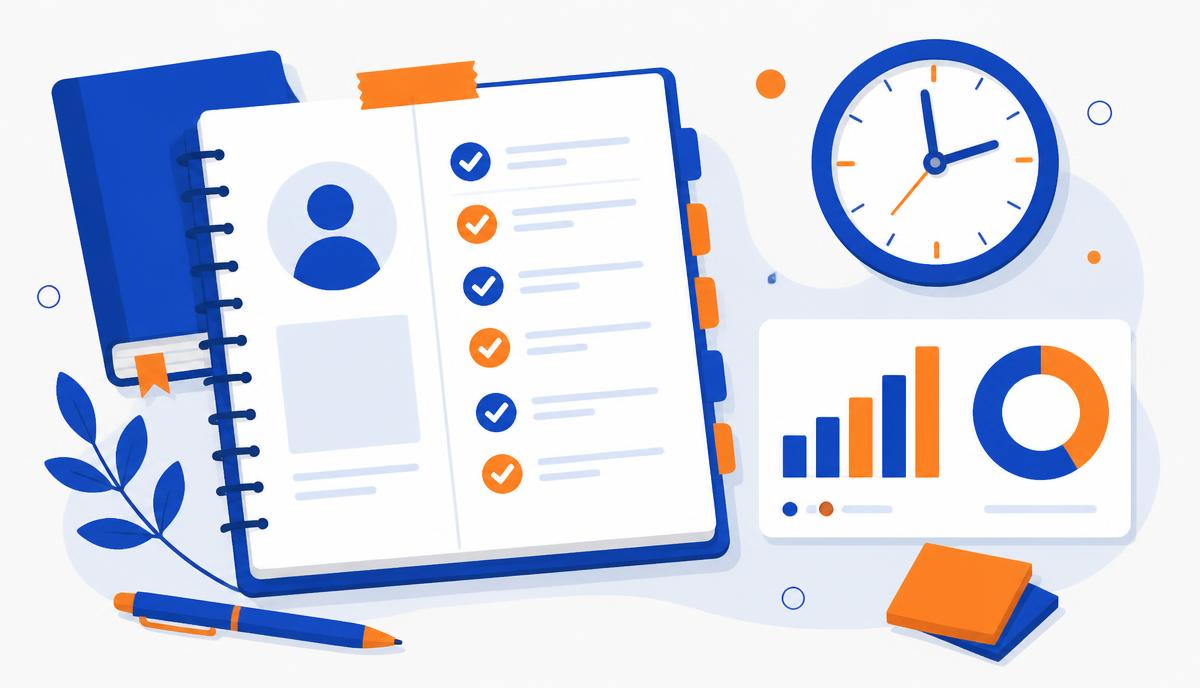
A student’s preparation should not be judged only by the final exam result. Regular quizzes, assignments, chapter tests and mock exams give tutors a clearer picture of how the student is progressing.
They also show whether a previously weak area has improved or needs more attention. This allows the preparation plan to change with the student’s performance instead of following the same routine throughout the academic year.
Flexible learning across curricula, subjects and time zones
Students today may be preparing for CBSE, IGCSE, GCSE, IB or other curricula while living in different parts of the world. Online tutoring makes it possible to connect students with tutors who understand their particular syllabus and subject requirements, without being limited by location.
Classes can also be scheduled around school timings, extracurricular activities and different time zones, making regular academic support easier to fit into a student’s routine.
Greater confidence, accountability and independent learning
Having a tutor regularly review their work gives students someone to discuss their progress with and stay accountable to. Over time, consistent guidance and practice can make students more comfortable tackling questions on their own.
As they begin recognising their mistakes, managing their preparation and approaching difficult topics with less hesitation, the tutor gradually becomes a guide rather than someone the student depends on for every answer.
Start your learning journey today
Book a free demo class or explore our courses and pricing.